1.How to Illustrate a Children’s Book in 8 Steps
How to Illustrate a Children’s Book in 8 Steps
Turn your children’s book into an enchanting tale by working with an artist. Learn how to illustrate a children’s book below.
 June 6, 2023
 15 minute reading
Illustrating a children’s book, whether your own or someone else’s, is a rewarding accomplishment, but where exactly do you start?
From collaborating with authors to adhering to strict briefs and more, it seems as though the process is a whole world in itself.
We’ve written an in-depth, step-by-step guide on how to illustrate a children’s book for the first time. Ahead, you’ll learn the entire process, from finding a story idea to getting the book cover design sorted, so when it comes to your children’s book, you’ll hit the ground running.
How to illustrate a children's book?
1. Find inspiration for your story
Gathering inspiration plays an important role in any creative project, but many can find it difficult just to know where to start. While some can quickly become overwhelmed by inspiration overload, others become frustrated, just waiting for something—anything—to spark their story idea.
During your inspiration phase, it’s important that you keep a notebook handy or use an app on your phone to record any observations or thoughts that come to mind. You may not think it’s special at the time, but when you go over your notes in the coming days or weeks, an entry may just turn into a successful children’s book idea.
Here are some tips to help you find some inspiration for your story:
Decide on your audience age range: While a children’s illustration already has a defined target market, narrow this down to a specific age range. Books aimed at toddlers are very different from those aimed at children starting school. According to Janice Hardy’s Fiction University, “Picture books should appeal to ages 3-8, but the age of your target audience is really determined by how complex the story is and how much text is involved.”
Think like your audience: Once you decide your readers’ age range, learn their main interests and common obstacles. Research how they interact with picture books, including story themes and popular illustration styles.
Look at other children’s book illustrations. Remember, the aim here isn’t to copy other children’s book illustrations, but rather to get your own creativity flowing. Are you drawn to a particular illustration style, color scheme, or genre? Record your observations and see what inspires youhire
Illustration style from Pro Fiverr Seller @joneho
In the words of Helen Keller: “Alone we can do so little; together we can do so much.”
When seeking inspiration for your children’s book, don’t be afraid to reach out to friends, family members, or those already working in the book industry. Ask for their opinions on your ideas so far, or see if they have any ideas of their own. Children’s books tend to be adventurous, feel-good stories.
Find a book illustiluminustration
2. Create the story brief
Once your inspiration has taken shape, it’s time to put pen to paper (or should we say fingers to the keyboard?) and create a general outline of your story. If you’re working with a publishing house, you may get a brief from an art director or a book editor.
Either way, the aim here is to narrow all your brainstormed ideas down to a single storyboard that has a beginning, middle, and end.
The beginning sets the mood and tone of the story, and the reader is introduced to the main characters, as well as the setting. The character’s goals and main conflict(s) are also highlighted here.
The middle is where a series of events or complications happen. The reader witnesses the main character(s) grow as they try to overcome these challenges. The storyline is built in suspense, toward a climactic point (the most important or exciting point in a story).
The end is the part where the main conflict is resolved, and the loose ends are tied up, leaving the reader with a satisfying ending to the story.
Essentially, your brief contains a summary of your storyline, which you can use when hiring short story writers or digital illustrators to assist with your book, or when approaching a publisher.
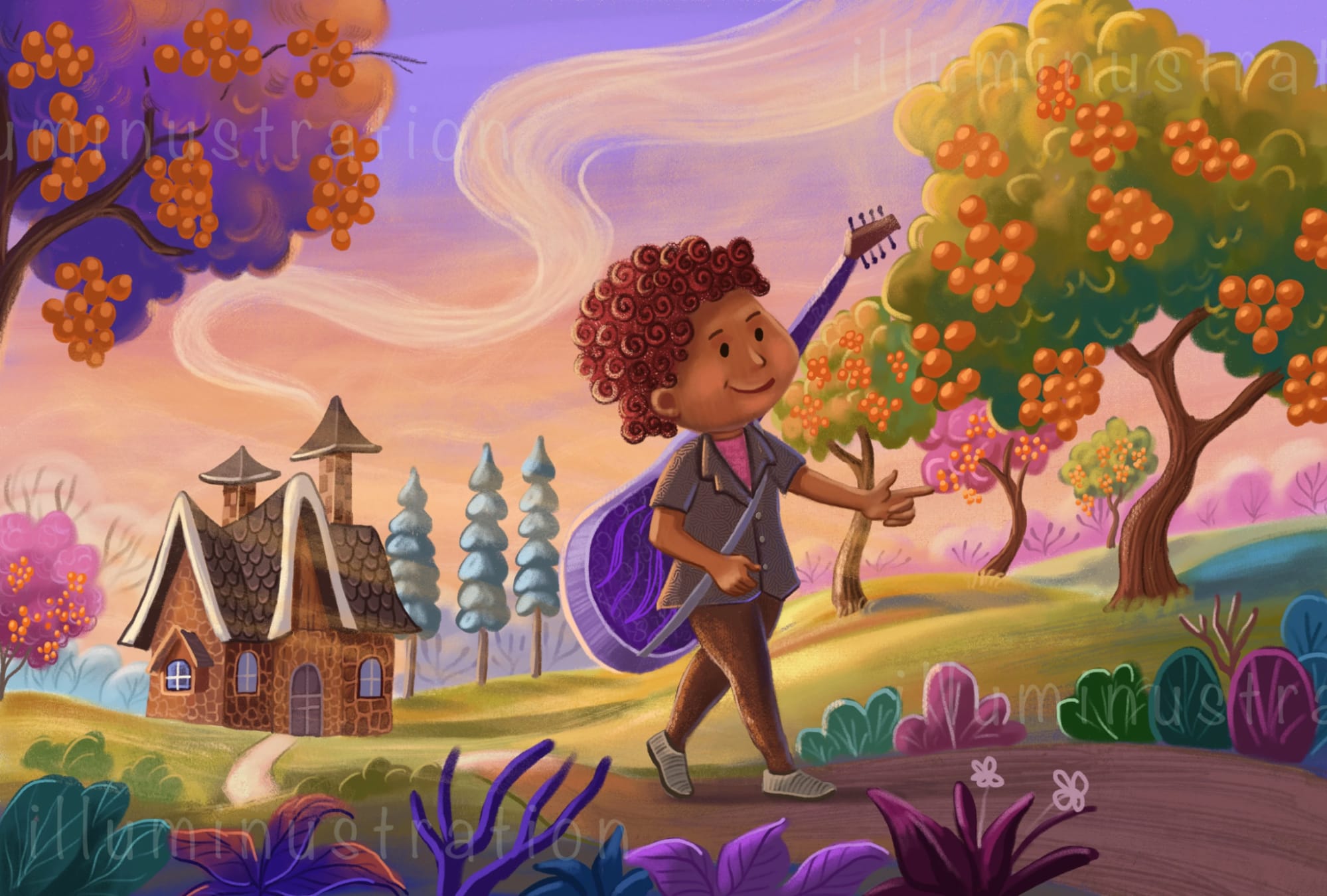
Your main character drives the plot forward. Illustration by Fiverr Seller @iluminustrationIf you’re struggling to summarize your story, think about the five Ws:
WHO is involved in the story? Who are the main characters?
WHAT happens to these characters? What do they do? What are they trying to achieve and what obstacles or challenges do they face?
WHEN does the story take place? What is the sequence of events?
WHERE does the story take place? Be as descriptive as you can.
WHY do these events happen? Why does a character act in a certain way?
3. Define your illustration styleYou can imagine just how effective illustrations are for young children learning how to read.
According to EBSCO, a research resource, “Picture books for young readers are building blocks that promote literacy, vocabulary skills, sentence structure and story analysis.” However, it’s the illustrations in these picture books that help children understand what they’re reading.
The organization explains: “If children are having difficulty with the words, the illustrations can help them figure out the narrative, which can increase their comprehension.”
This is why the illustrations in your children’s book are just as important, if not more so, than the actual words in your story. Not only do they leave a lasting impression—or memory—on the child, but they also help them develop a sense of self and of the world around them.
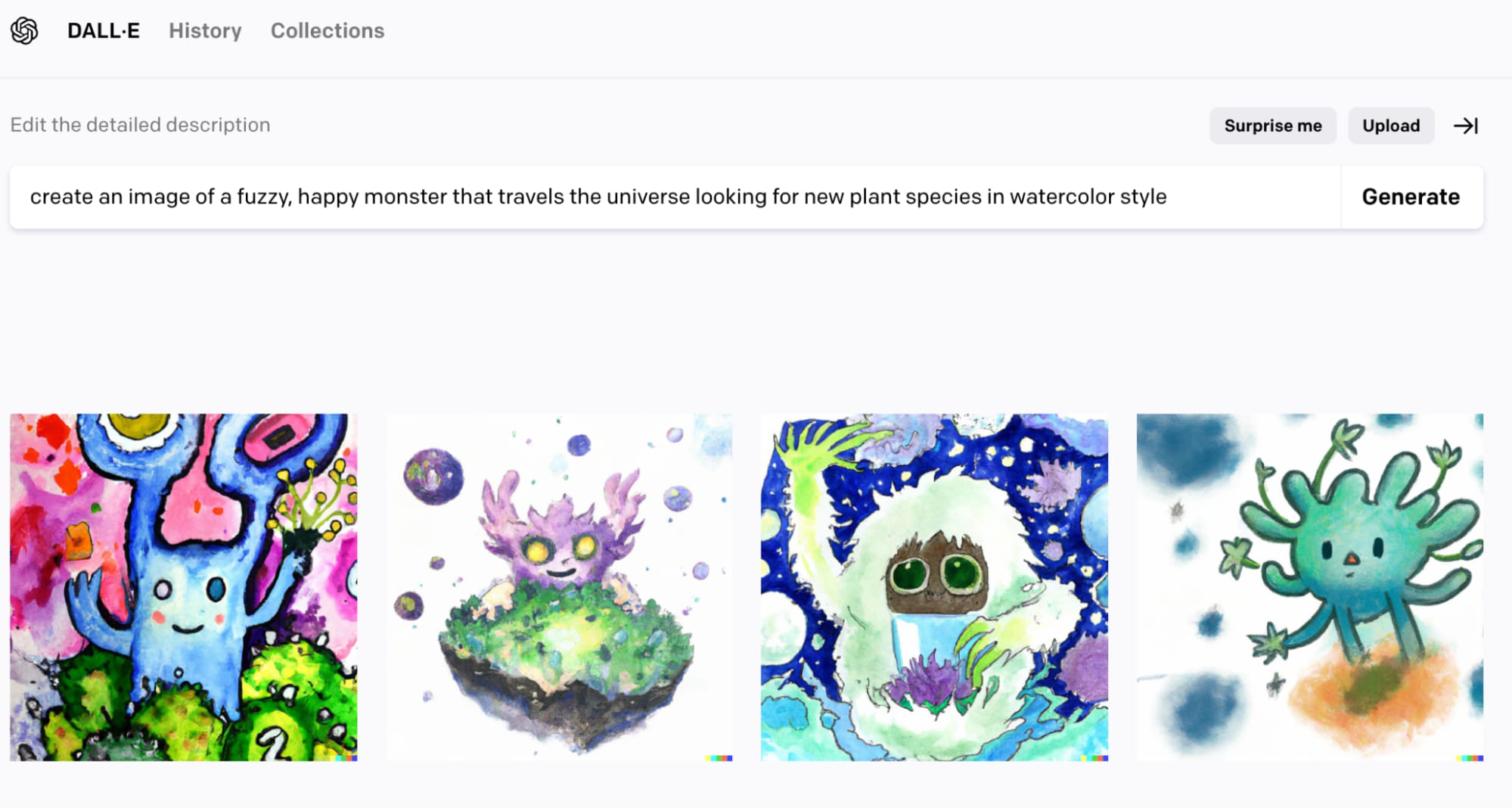
You can get a better idea of what styles you like and will work for your main character. If you want to try another style, simply change the prompt.
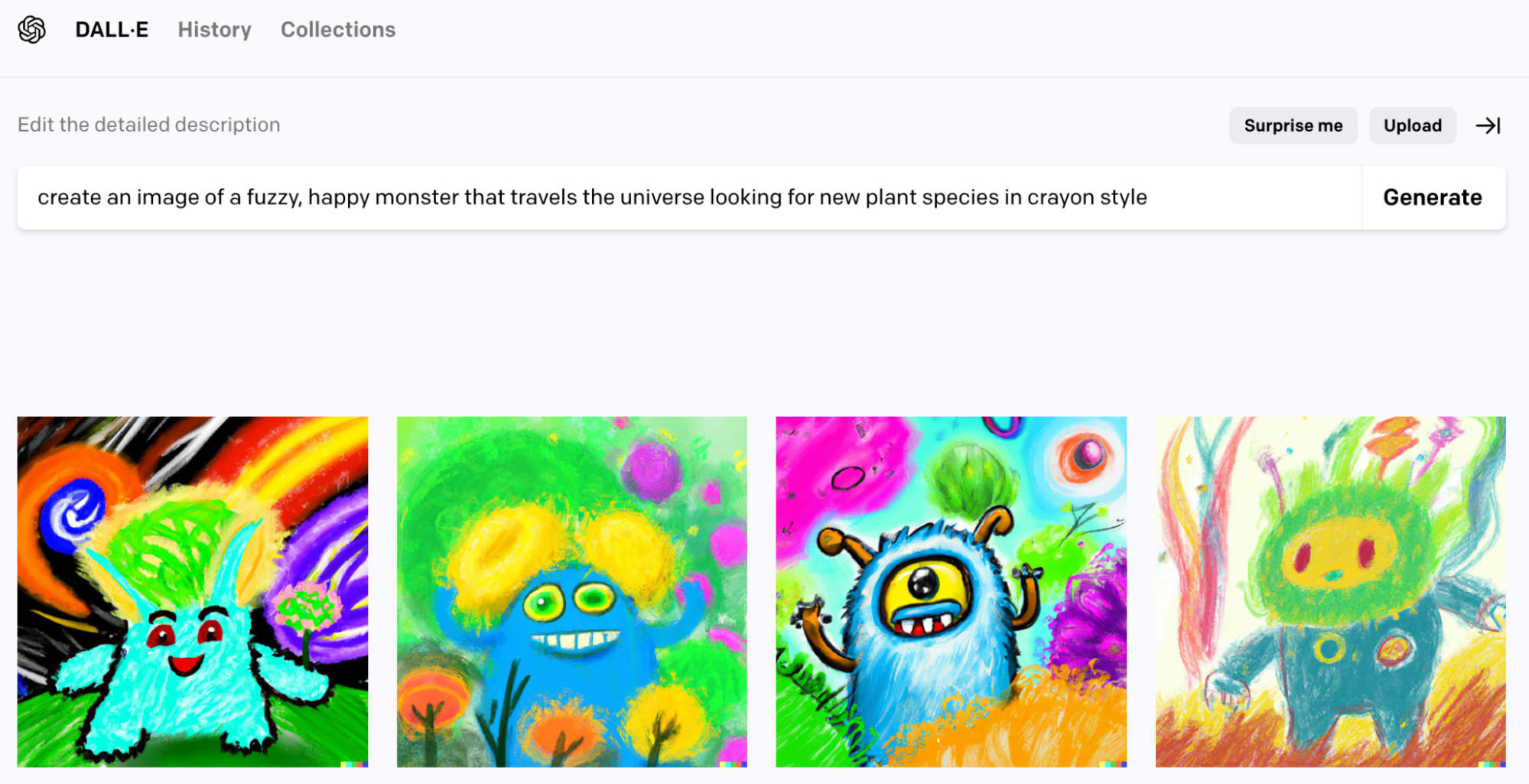
For more tips on prompting an AI, read How to Write Midjourney & other AI art prompts you can actually use.
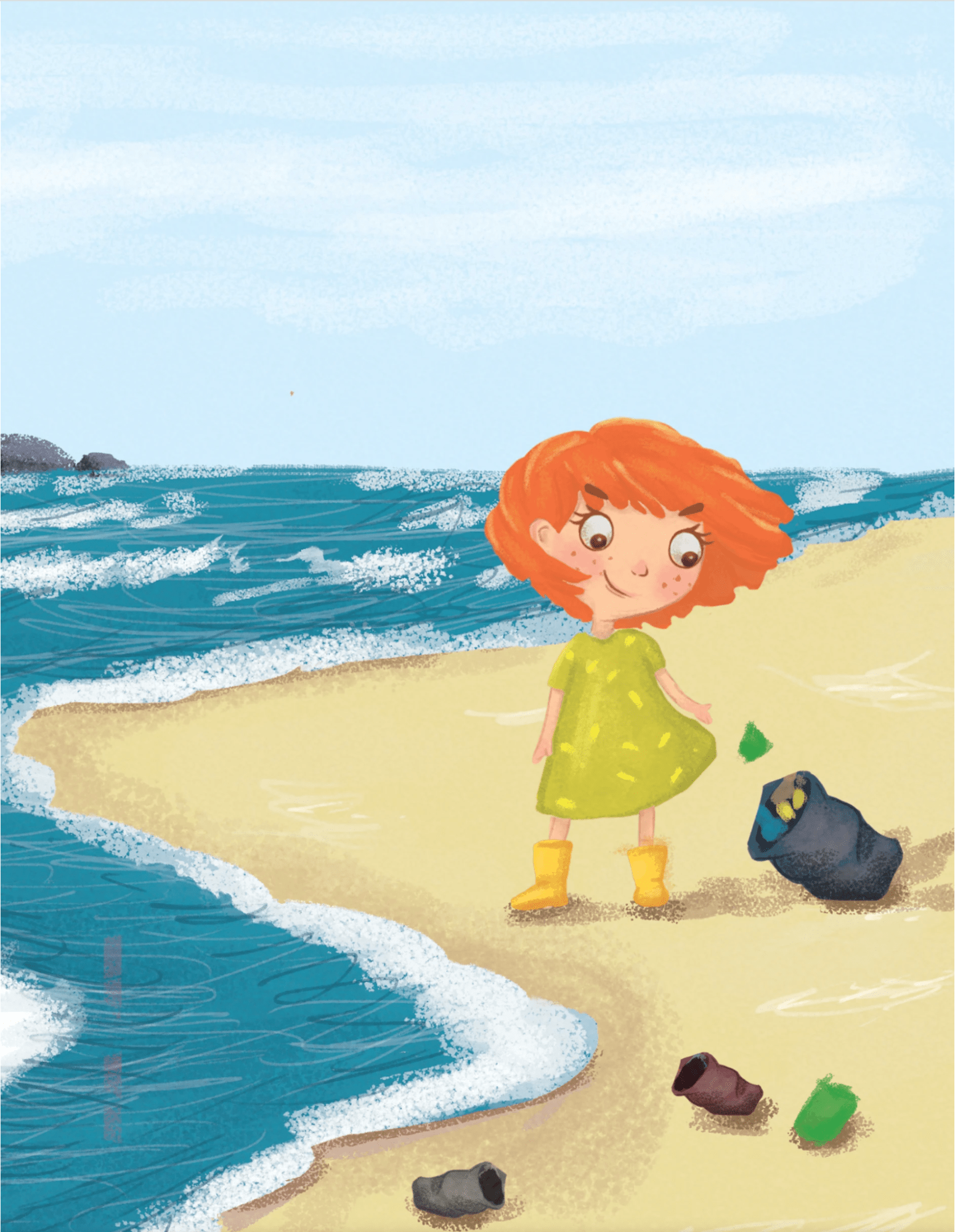
Example illustration style by Fiverr Seller @katechirko
4. Find a book writer
Contrary to popular belief, a children’s book is one of the hardest formats you can tackle. It’s hard to create a captivating story using simplified language, all without losing meaning, “dumbing” it down, or interrupting the flow of the story.
Thankfully, this is where a children’s book author can help. Those with experience in writing children’s bookmanuscripts know how to write in the correct way to appeal to a specific age range, as well as how to keep their interest and create an emotional response from the reader.
They can also focus on character development and help build out the children’s story so it connects with readers.
Here are some do's and don'ts to consider when hiring a book writer.DO:
Focus your search on ghostwriters if you wish to have your name, not theirs, as the published author.
Check out their portfolio in length, including looking through their previous work, reading testimonials, and viewing their services and fees.
Be upfront about your expected timeline and respectful with your proposed budge.t
Provide your book writer with the resources (i.e., the brief) and information (i.e., content style, timeline, target audience) they need to write your story.
DON’T:
Be afraid to give feedback. It is your project, after all.
Settle for a writer just because they had the cheapest rates or fastest turnaround. If you want quality, you have to pay for quality.
Fail to communicate with the writer throughout the project to keep up-to-date with their progress.
To determine if they’re the right writer for you, ask them:
Have you written for this audience age range before?
Have you previously worked with these themes?
Have you written any published children’s books? If so, which one(s)?
What would your rate be for this project?
What would your expected timeline be to complete the first draft, second draft, and final draft?
What are your policies or terms and conditions?
Find a ghostwriter for hire
5. Find a children’s book illustrator
While your book writer will bring your story to life with words, your illustrator will make these scenes bounce off the page, taking your reader on a visual journey. Even if you’re self-publishing a children’s book, you’ll want to hire a good illustrator to create the visuals.
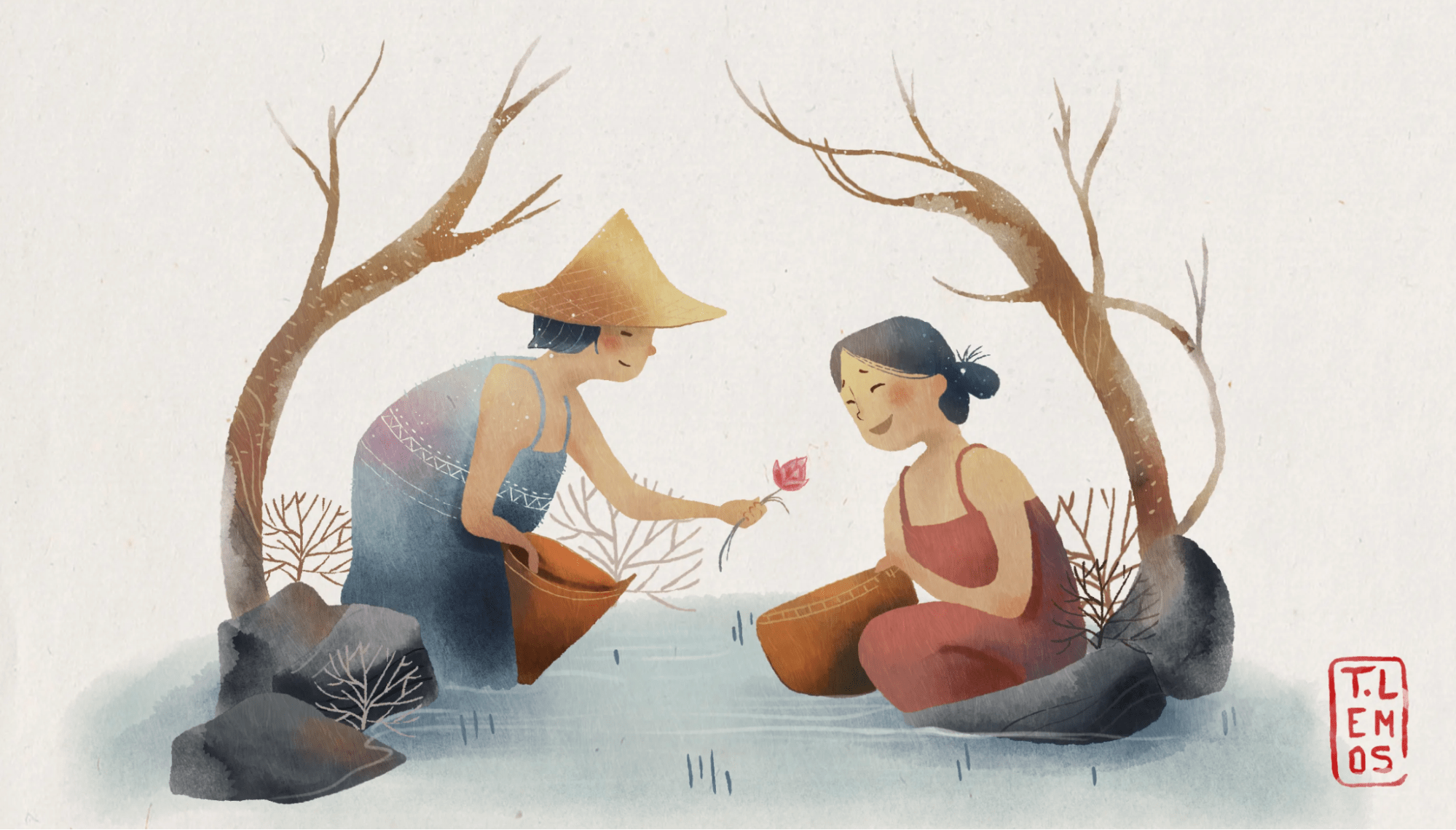
Example illustration from Fiverr Seller @taislemos
Here are the do's and don'ts to consider when hiring an illustrator.DO:
Look carefully at their previous work. Is this the style you want? Is it appropriate for your target audience?
Be upfront and respectable about your budget.
Present the illustrator with a reasonable schedule to complete the work.
Ask if you can see illustrations in their back catalog that suit the general theme of your book and that you might be able to license. These work out much cheaper because the artist has already done the work.
Commission some sample pages first (rather than the whole book) to see if they’re reliable and a good fit.
DON’T:
Ask an illustrator to match the style of another artist—especially an artist you couldn’t hire because they were too expensive or unavailable.
Settle for an illustrator just because they had the cheapest rates or fastest turnaround. If you want high-quality illustrations, they don’t come cheap, nor do they only take days to complete.
Tell your illustrator exactly what you want every image to look like. They’re professionals, so give them creative freedom.
To determine if they’re the right illustrator for you, ask them:
Have you worked with this style of illustration before?
Have you had your illustrations published in a children’s book before? If yes, which one(s)?
What would your expected turnaround be to complete these illustrations?
Once you find an illustrator, make thumbnail sketches for each page or scene in your book. These can also include full illustrations and color samples to show what the new book will look like. They can even help you decide on a font style to improve readability and convey emotion through the text.
6. Get feedback from children We often think about having other adults critique our work, but when the target audience is children, we recommend going straight to the source.
Once you’ve received the work back from your illustrator, try to show it to as many children in your audience’s age range as possible in order to hear their opinions on it.
Ask them the following questions:
What do you like about this drawing?
Is there anything you don’t like about it?
How does the drawing make you feel?
Do you like the colors and/or patterns used?
Do you think this character is happy, sad, excited, angry, etc.?
Remember: Your target audience is likely very young, so you won’t want to ask them anything too complicated or confusing. Start with basic questions first (Do you like it?) and move up from there to gain a more in-depth response.
If the children are getting mixed messages from your illustrations (such as thinking a character is sad when they are meant to be happy), then you may need to go back to the drawing board—literally.
7. Get sketches for the book cover
Did you know over four million books are published each year? Whether you’re selling books on Amazon or a local bookstore, it will no doubt be surrounded by hundreds of other books, all with their own interesting tale to tell.
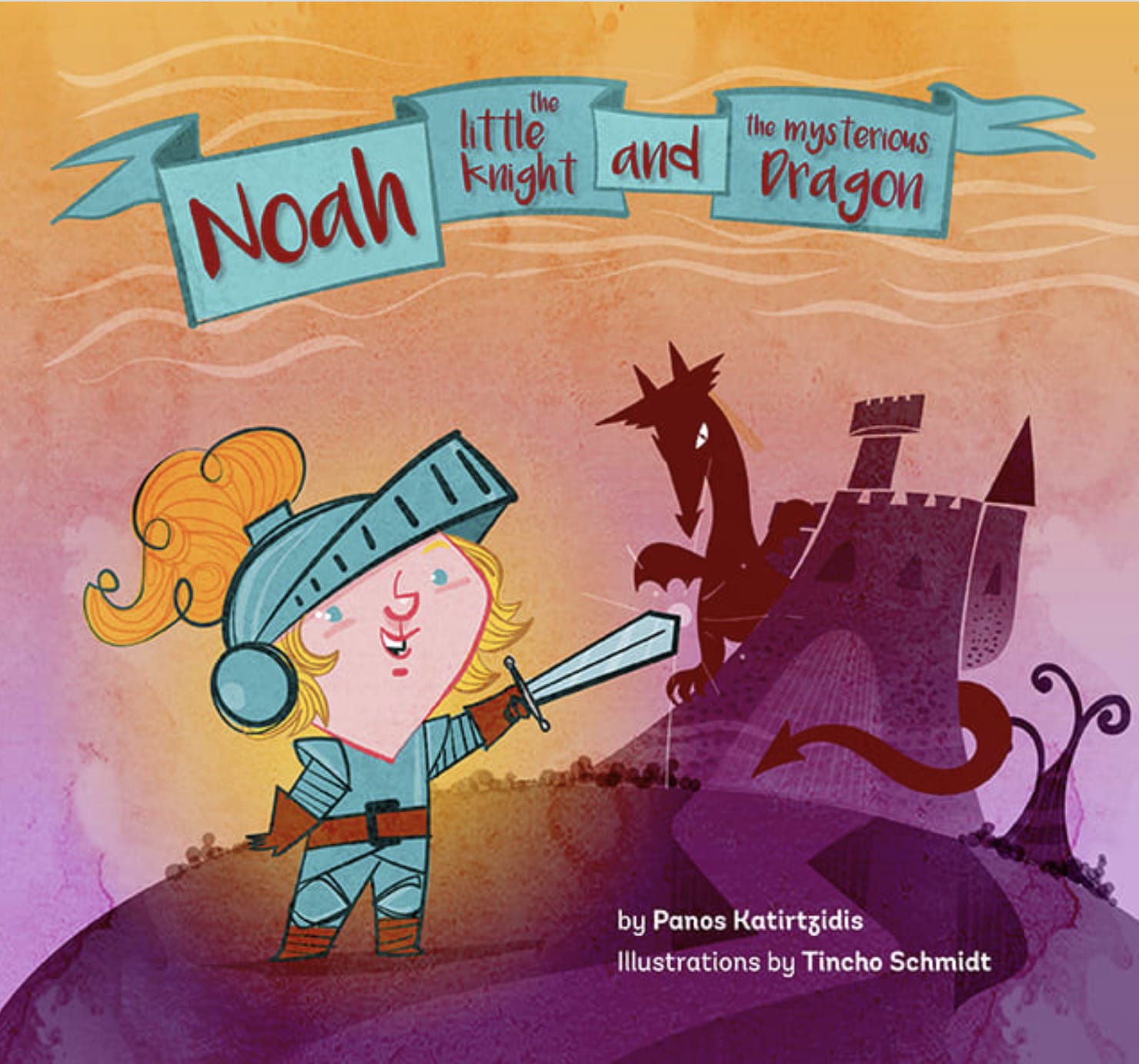
Book cover example from Fiverr Seller @msallas

Comments
Post a Comment